History
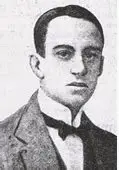

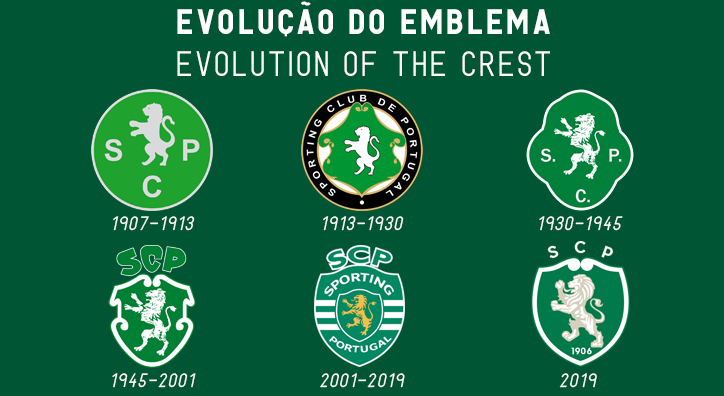
Sporting Clube de Portugal was founded on July 1, 1906, in Lisbon, as a result of a split from another club, Campo Grande Football Club. Led by José Alvalade, the founding members envisioned a new institution dedicated to sporting excellence, with the ambition of making Sporting “a great club, as great as the greatest in Europe.” This mission established the foundation of Sporting’s identity. The club quickly adopted its green and white colors, symbolizing hope and unity, along with the lion as its emblem, representing strength and courage.
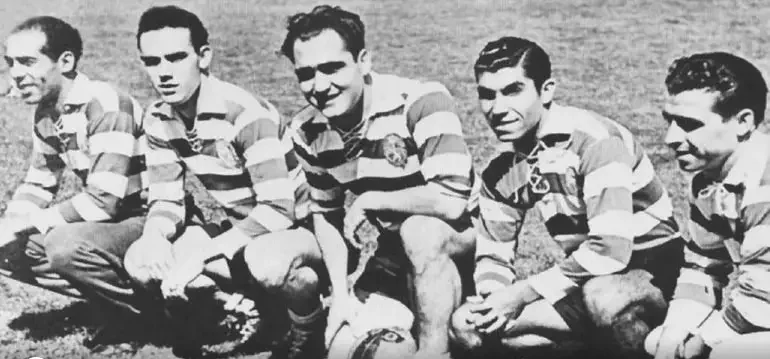
In its early years, Sporting established itself as one of the main football clubs in Portugal. The team won its first Portuguese Championship in 1940–41, a milestone that would mark the beginning of its dominance in national football. The 1940s and 1950s were a golden era for Sporting, featuring the legendary “Cinco Violinos” (Five Violins) — Jesus Correia, Vasques, Albano, José Travassos, and Fernando Peyroteo — a forward line that became iconic for its extraordinary attacking power. This period secured Sporting’s status as one of Portugal’s “Big Three,” alongside Benfica and FC Porto.
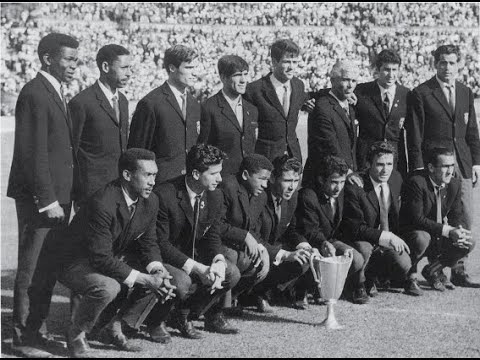
Sporting also made history in European competitions. In 1964, the club became the first Portuguese team to win a European trophy, lifting the European Cup Winners’ Cup after defeating MTK Budapest in a two-legged final. This achievement placed Sporting on the international stage and demonstrated the club’s competitive potential beyond Portugal.
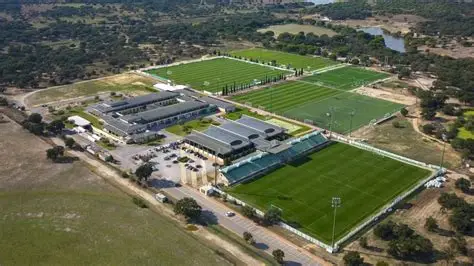
The club’s focus on youth development became a cornerstone of its identity. In the late 20th century, Sporting invested heavily in training facilities, culminating in the establishment of the Academia Sporting in Alcochete in 2002. This academy produced world-class players, most notably Luís Figo and Cristiano Ronaldo, who went on to become global icons. Other prominent graduates include Ricardo Quaresma, João Moutinho, Nani, and more recently Bruno Fernandes. This emphasis on formation solidified Sporting’s reputation as one of the best talent producers in Europe.
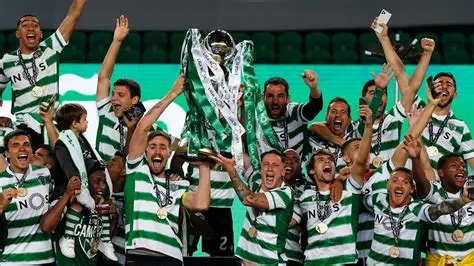
Domestically, Sporting accumulated numerous Primeira Liga titles, Taça de Portugal victories, and Supertaça trophies, though the club endured long droughts without league championships, particularly between 2002 and 2021. The 2020–21 season marked a historic resurgence under coach Rúben Amorim, when Sporting won the Primeira Liga after a 19-year wait, sparking euphoric celebrations across Portugal and restoring belief in the club’s project.
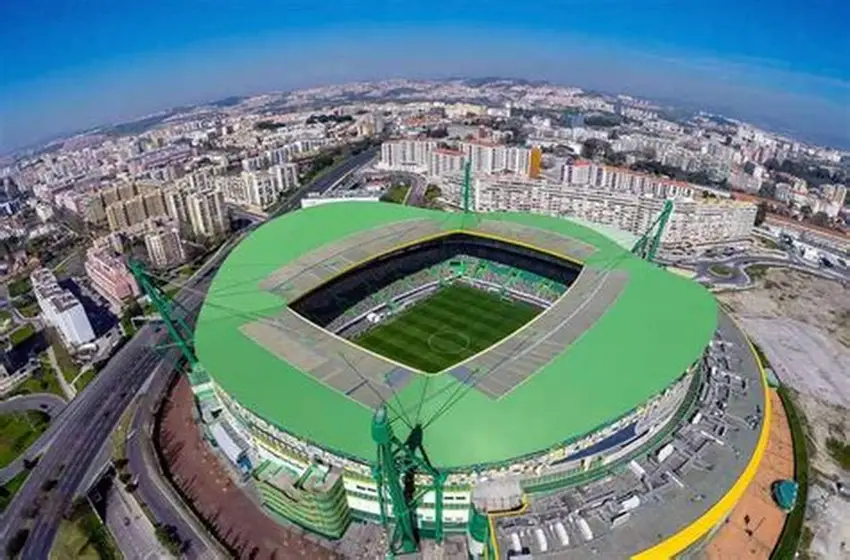
Sporting’s home, the Estádio José Alvalade, opened in 1956 and was rebuilt in 2003 to meet modern standards, hosting matches during UEFA Euro 2004. The stadium remains a symbol of the club’s heritage and ambition, with a capacity of over 50,000 spectators. Surrounding the stadium is the Sporting complex, which includes facilities for multiple sports, reflecting the club’s commitment to being more than just a football team.
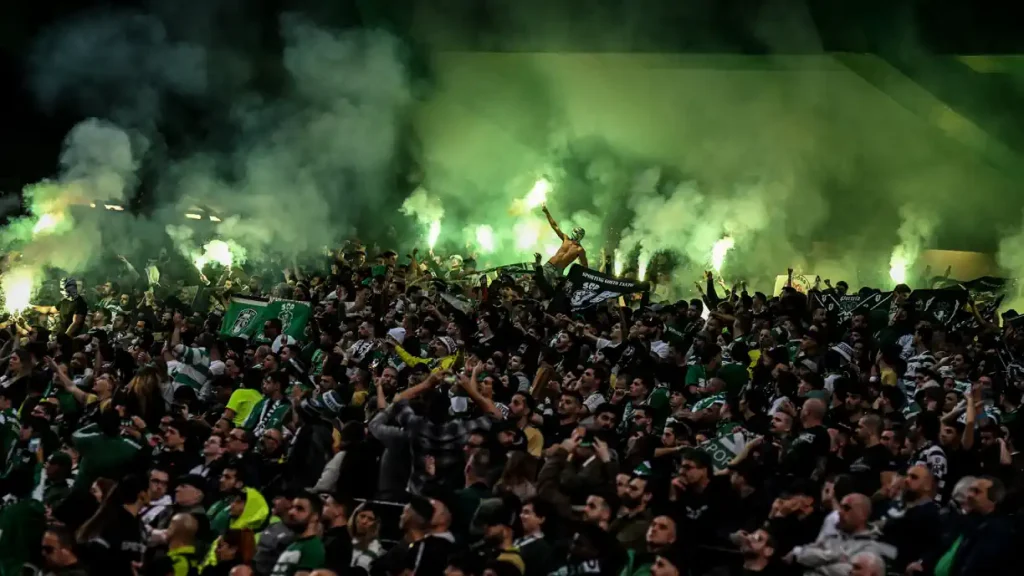
Supporters play a crucial role in the club’s history. Known as “Sportinguistas,” they are recognized for their loyalty, even through difficult times. The supporters’ groups, such as Juve Leo and Torcida Verde, add passion and color to the stands, making Sporting matches a unique experience.
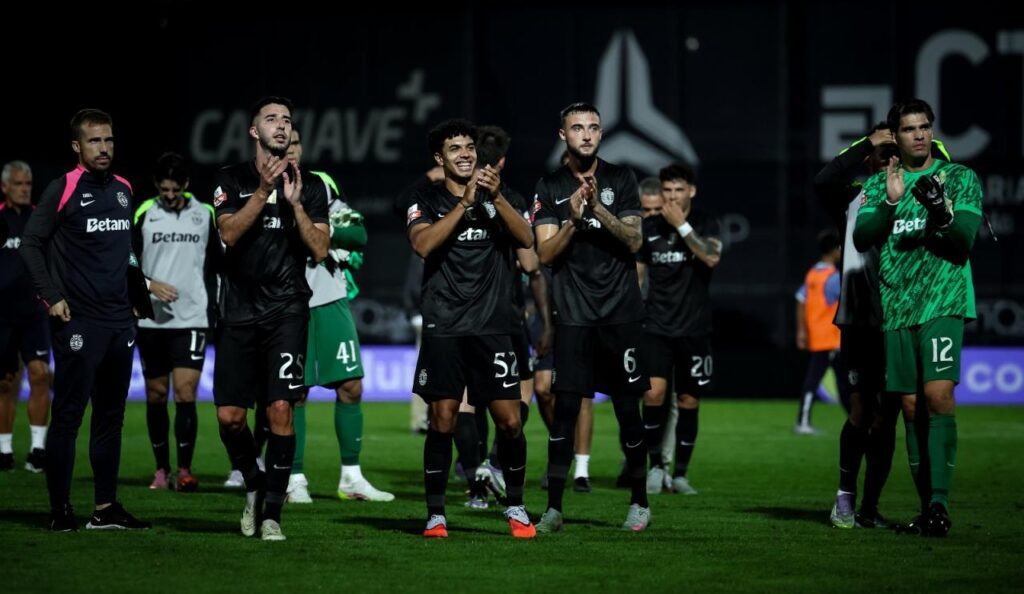
Today, Sporting Clube de Portugal continues to balance its glorious past with its ambitions for the future. The club’s vision remains rooted in youth development, competitive excellence, and the pursuit of success both domestically and internationally, while preserving its identity as one of the most historic and influential sports institutions in Portugal and Europe
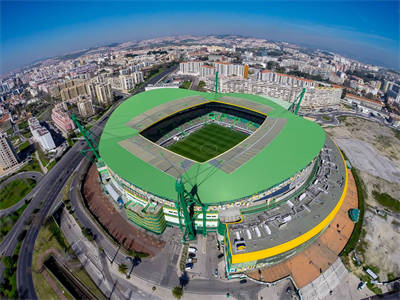
Here you will get to know our stadium better, along with its history! Estádio José Alvalade from the outside The Estádio José Alvalade, located in Lisbon, is much more than just a football stadium — it’s the heart and soul of Sporting Clube de Portugal. Officially opened on August 6, 2003, this modern arena replaced…
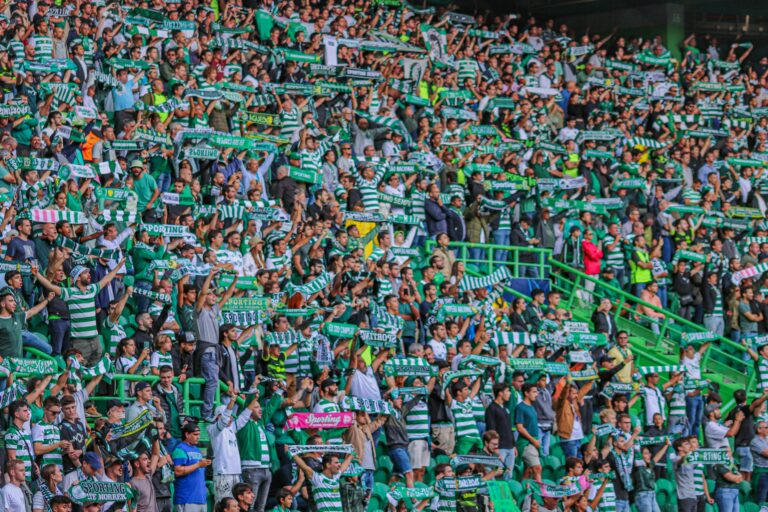
Everything about Sporting CP fans and ultras Sporting Fans Sporting Clube de Portugal is renowned not only for its rich history and sporting achievements but also for its passionate and dedicated fanbase. The club boasts approximately 179,208 affiliated members (sócios) as of June 2025, the most prominent sports clubs in Portugal. Being a sócio of…
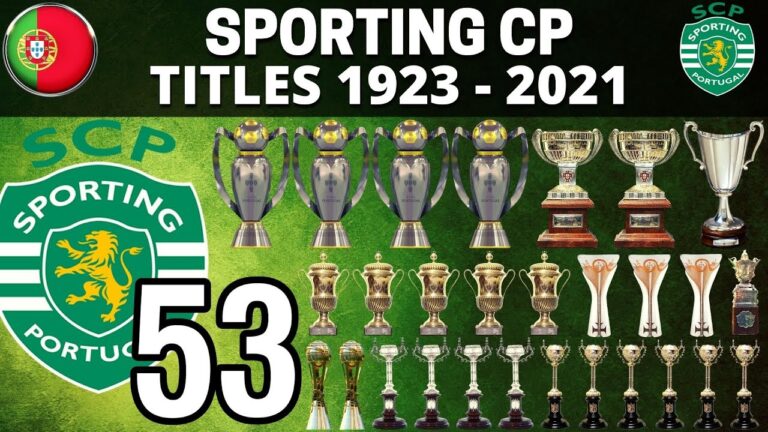
All Sporting CP football senior Titles! Sporting Clube de Portugal is one of the most successful football clubs in Portugal, with a rich history of domestic and international triumphs. The Lions have demonstrated excellence on the pitch for over a century, earning a prestigious collection of trophies. Major Achievements: Primeira Liga / Campeonato Português: 21…
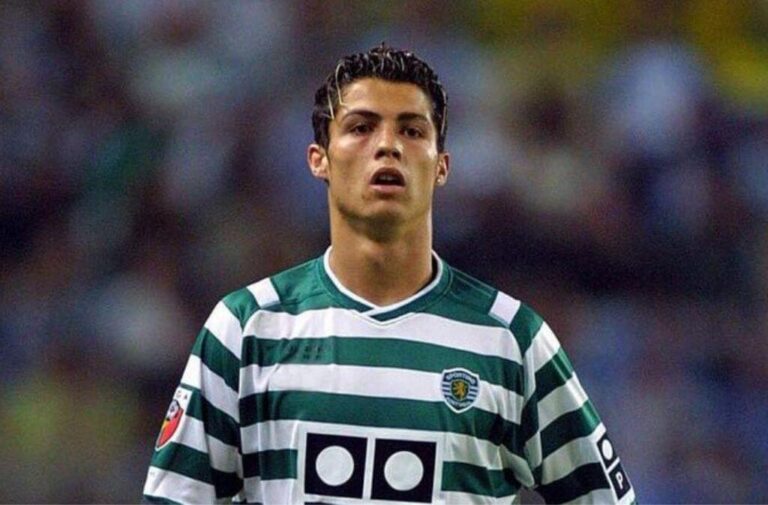
Here you will get to know the former players of our club Sporting Clube de Portugal has a rich history filled with extraordinary talents who have graced the pitch over the years. From breathtaking goals to unforgettable matches, the club has been home to players whose skills, dedication, and passion have left a lasting mark….
All Sporting CP rivals in one post Sporting and Benfica Logos The rivalry between Sporting Clube de Portugal and S.L. Benfica is one of the most iconic in Portuguese football. Known as the “Derby de Lisboa,” this clash is more than just a match; it is a celebration of passion, pride, and tradition. For Sporting…
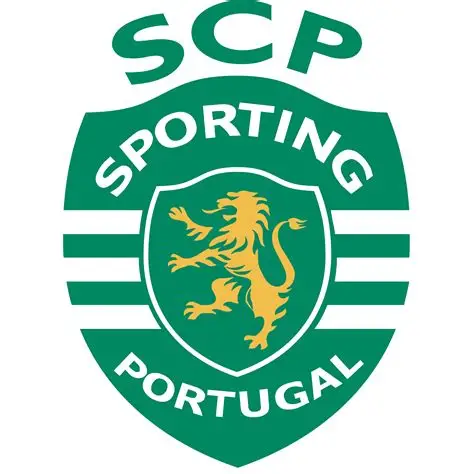
Here you will learn the meaning of our glorious crest! Sporting CP official Logo The Sporting Clube de Portugal emblem is a symbol full of history, tradition, and identity, reflecting the club’s values and heritage. Design: Shield Shape: Represents protection, strength, and the proud history of the club. Green and White Stripes: Symbolize hope, optimism,…